Tnterpersonal ties
The "strength of weak ties" theory
The "strength of weak ties" theory shows that innovative ideas and information about new opportunities often come not from close friends (strong ties), but from acquaintances (weak ties) in other social circles.
Theory
Strong ties: Close friends, relatives, colleagues with whom you interact regularly. Your "bubbles" are very similar. Weak ties: Acquaintances, friends of friends, people from other social circles.
-
Strong ties form dense clusters (your close friends usually know each other), so information within a cluster quickly becomes redundant.
-
Weak ties act as bridges between clusters, allowing new ideas, opportunities, and information to spread over wider distances.
Step 1: Data Collection
You can download all your Instagram profile information. This is an official feature of the platform, allowing you to obtain an archive of data: photos, videos, stories, messages, comments, likes, profile information, and much more. The process takes from a few hours to 48 hours.
Step 2: Graph Visualization
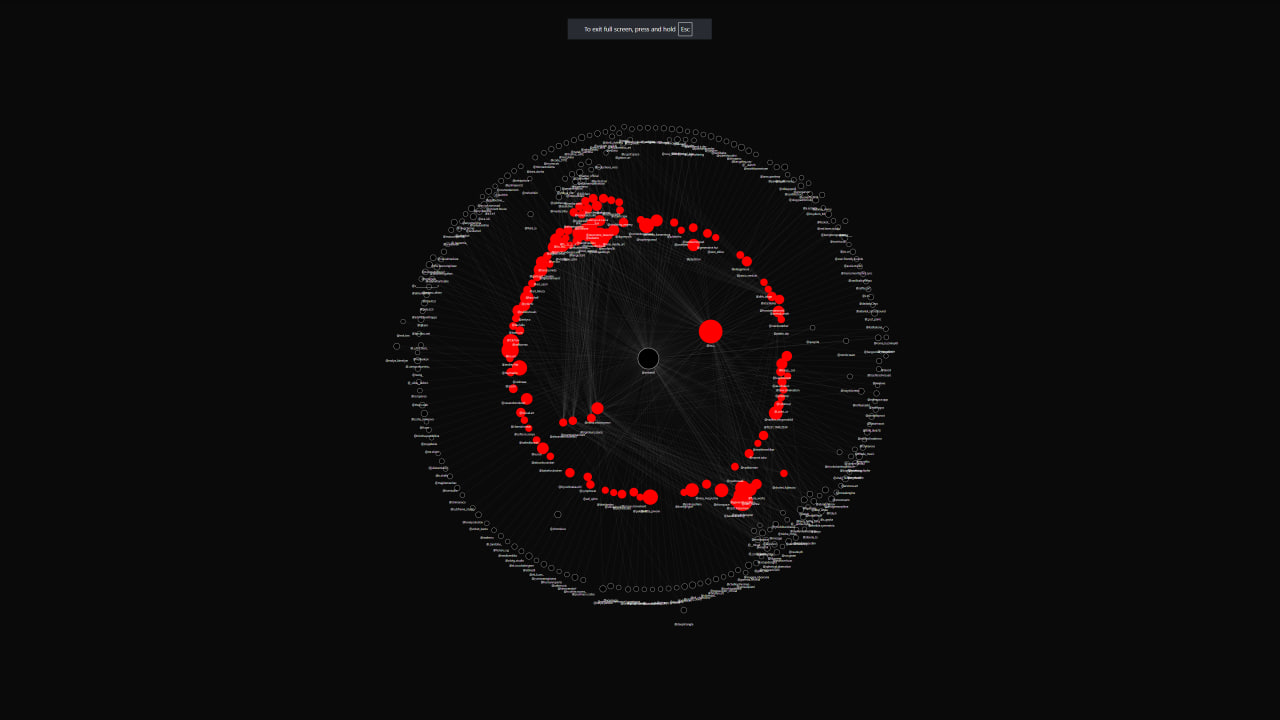
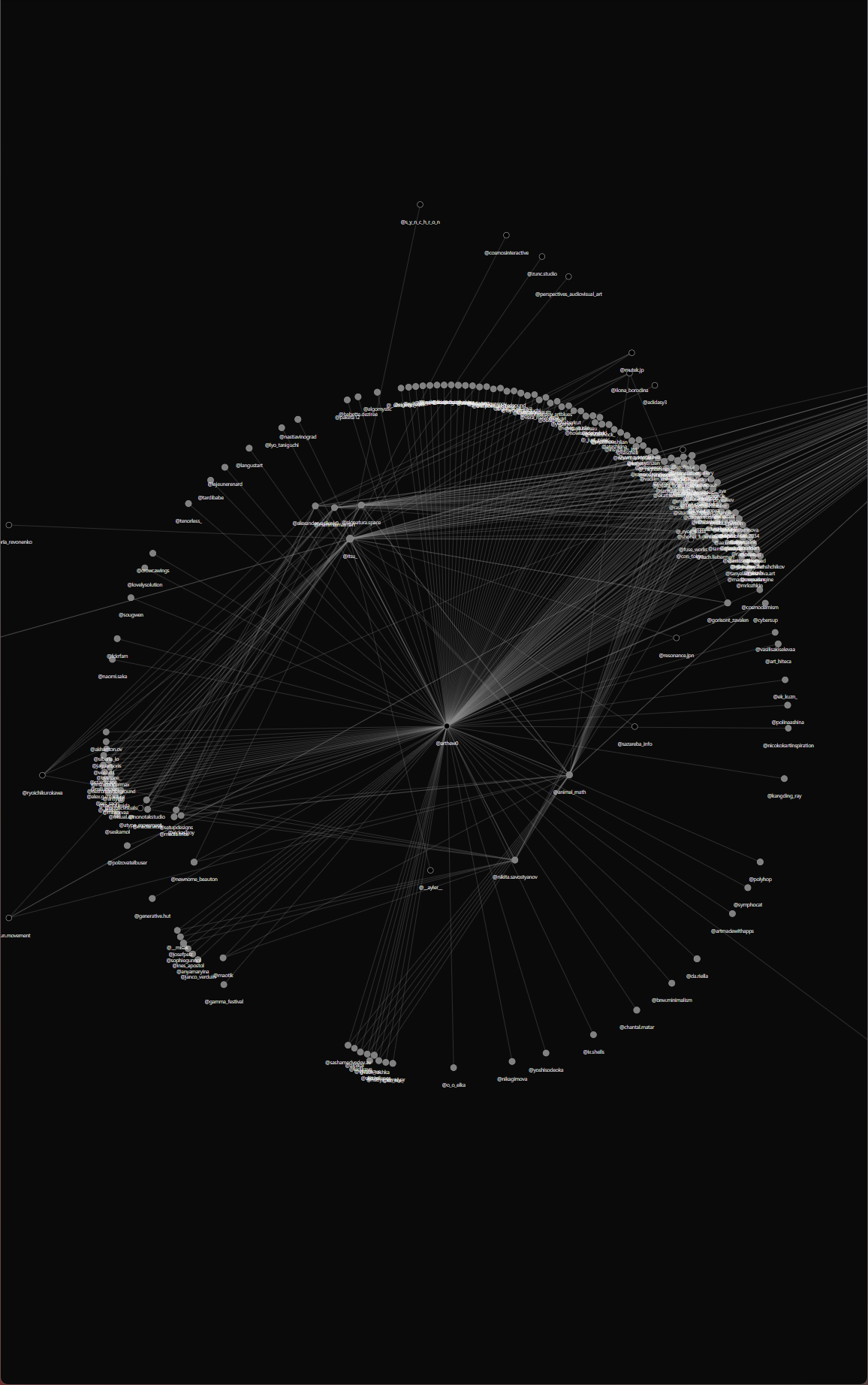
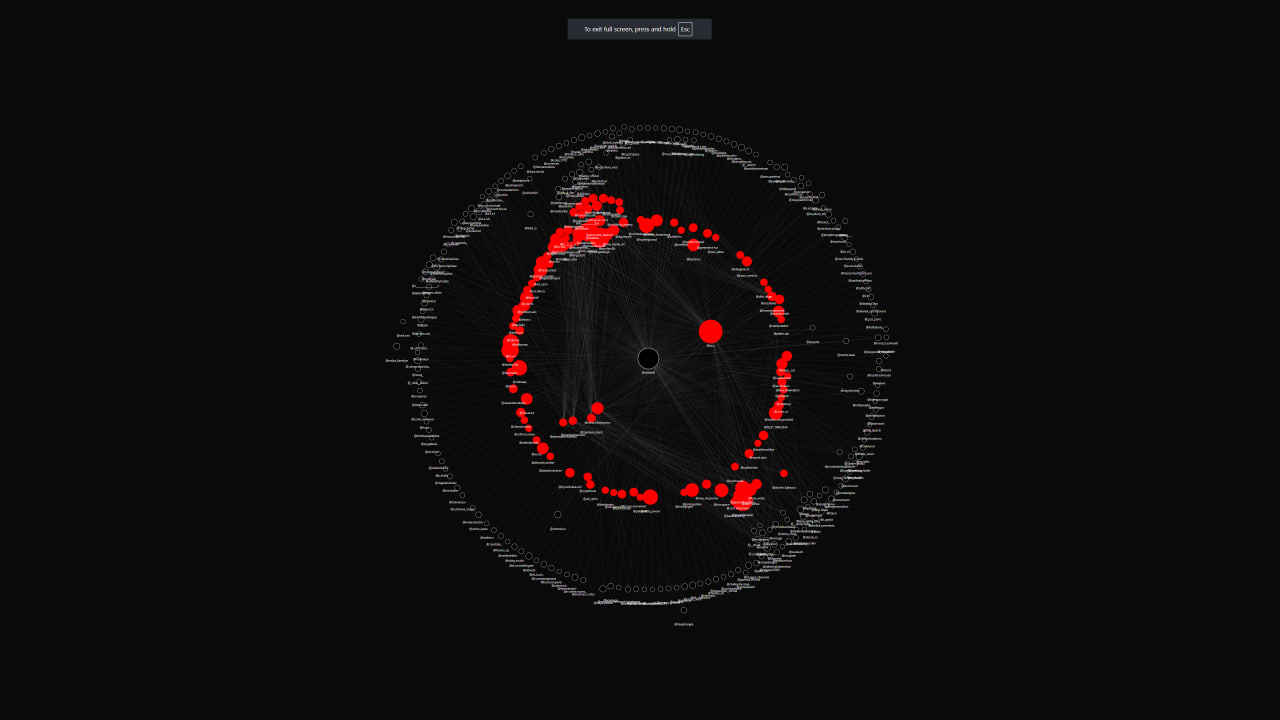
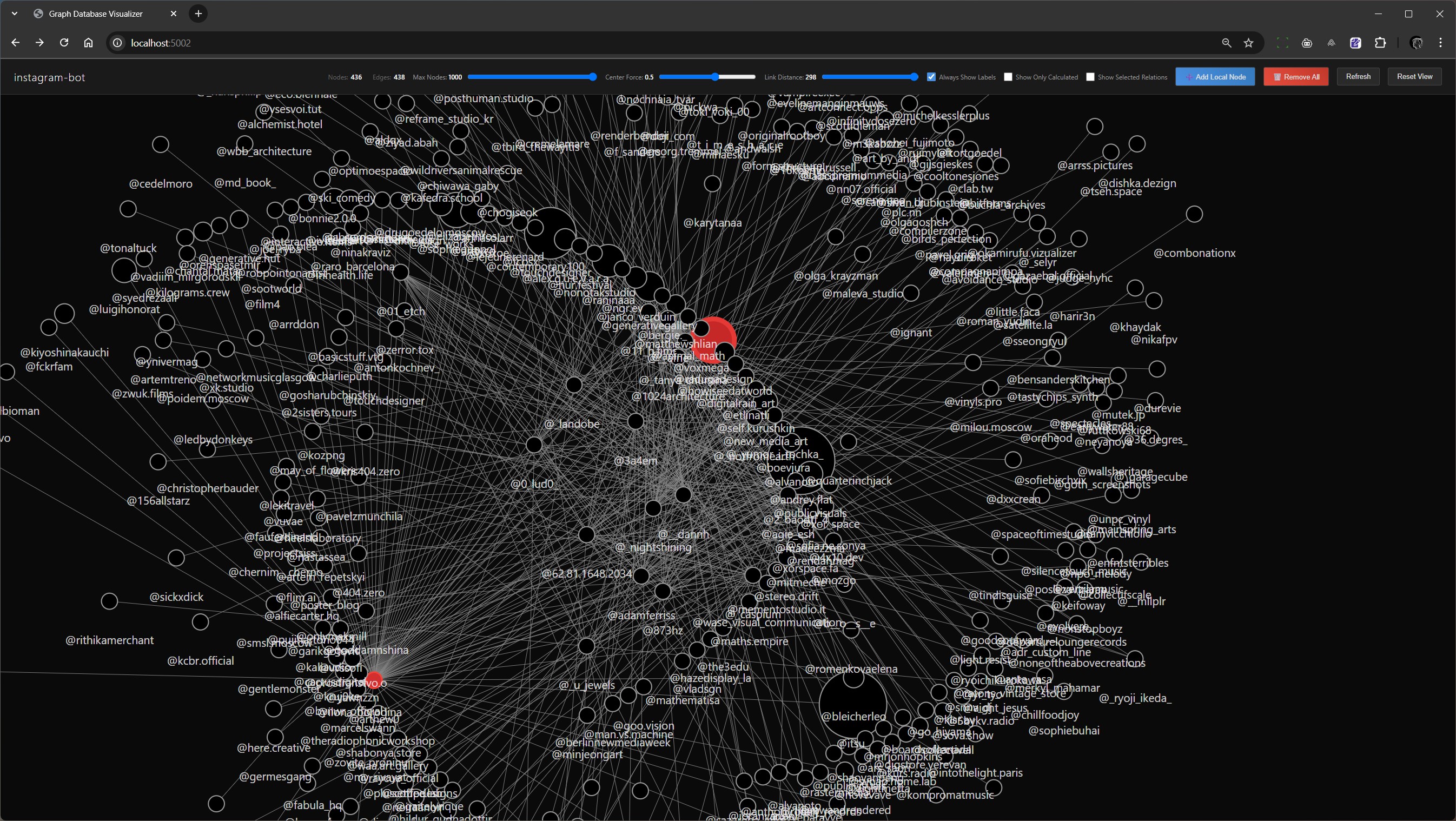
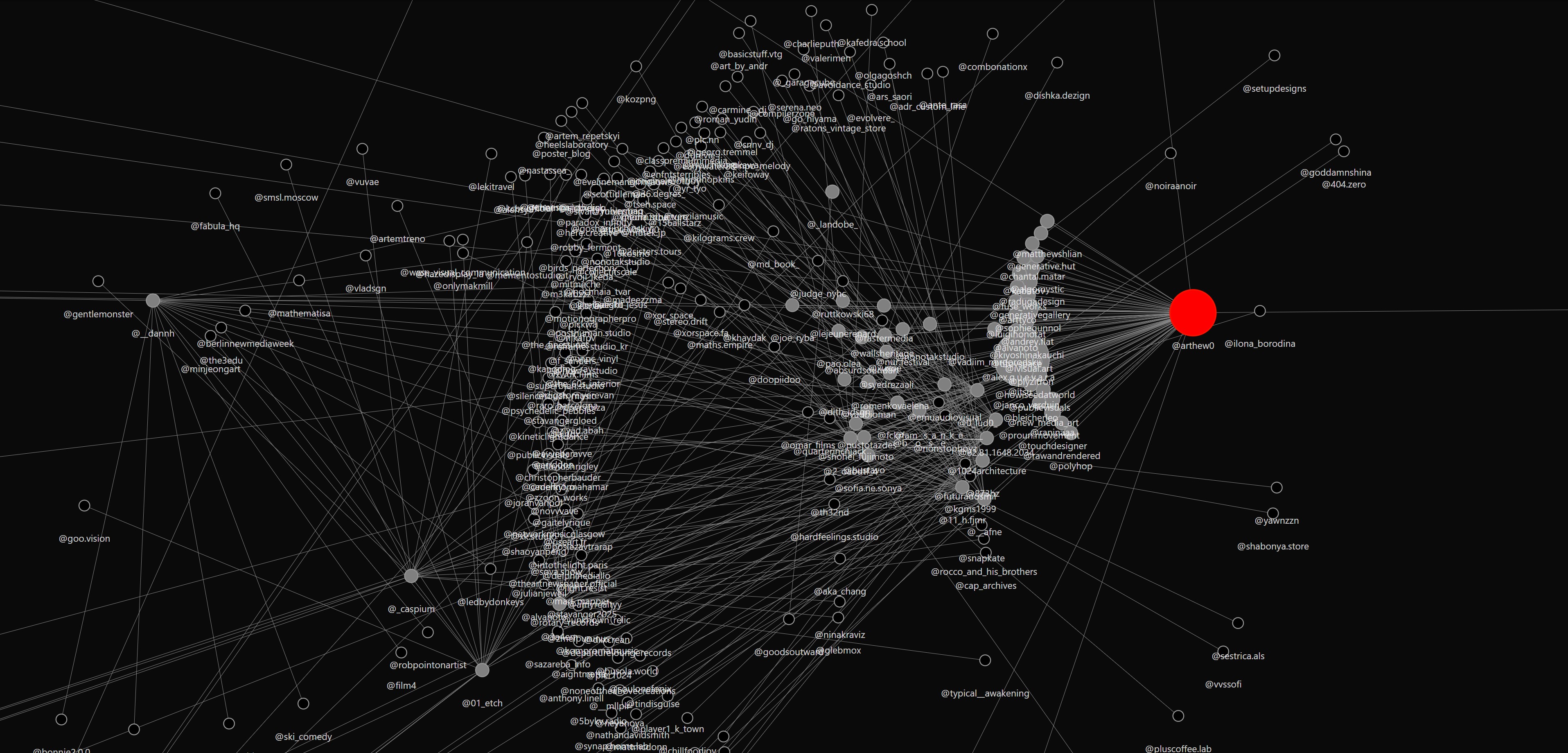
Nodes = accounts (you and your followers). Edges = connections between you (following + interactions). Edge thickness = connection strength (calculated index).
Dense Clusters: Groups of accounts that are strongly connected to each other (your "strong ties"). For example, a cluster of "close friends" or "colleagues from a previous job."
"Stars" and "Bridges": Accounts that are weakly connected to you, but are themselves central nodes in other, unrelated clusters. These are your most valuable "weak ties."
Step 3: Hypotheses
Hypothesis 1:
Weak ties provide access to new information.
Hypothesis 2:
Weak ties are critical for the spread of viral content.
Hypothesis 3:
Professional opportunities come through weak ties.